
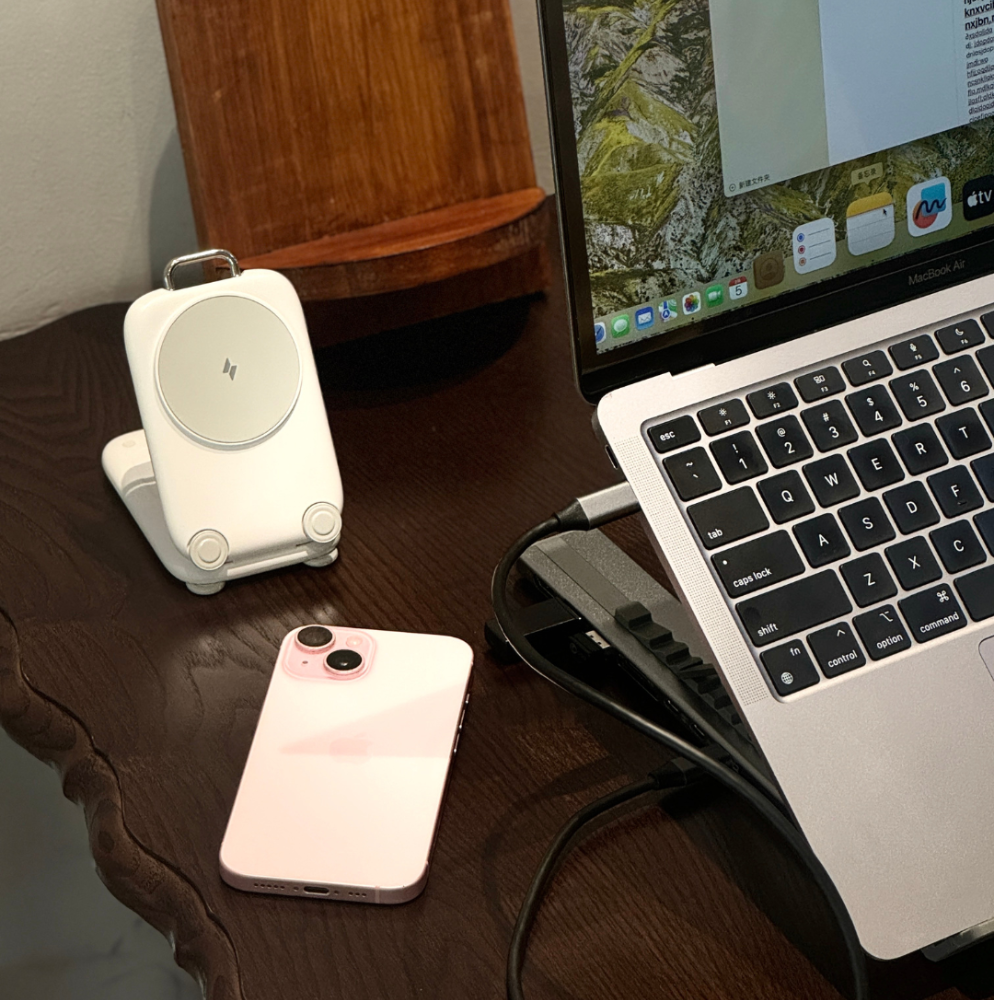
Im einem her-auf-und KI-getriebenen Arbeitsumfeld ten Karlanogien ar sprechen wird heute die Schnelligkeit mit dessen die KI einent haben die Arbeitsweise grundlegend verändert. Wir können Rahmenpläne, Propositionen schreiben und Routineaufgaben schneller als je zitz gutes erbringen. Die Produktivität ist ganz kurzRich steig. Doch, paradoxal, ist die Vereimaisung leise ebenfall. Obwohl die KI viele repetitive Aufgaben abbaut, beregen die Häufigkeit von Entscheidungen und der konstante Kontextwechsel unseren Herrn zunehmend. Besonders in Arbeitsbereichen, die kontinuierliches Urteilsvermögen und Fokus erfordern.“
Entscheidungsmüdigkeit und der Lärm der Arbeit
Entscheidungsmüdigkeit ist eine der am meisten übersehenen Ursachen für Erschöpfung in der modernen Arbeitswelt. Während KI die Effizienz steigert, führt sie auch zu einer neuen Art mentaler Belastung – einer, die durch einen endlosen Strom von Entscheidungspunkten entsteht. In mobiler Arbeit, bei Remote-Setups oder in sich ständig ändernden Umgebungen verbrauchen selbst die kleinsten Entscheidungen, wie „Welche Datei soll ich öffnen? Wie soll ich meine Geräte konfigurieren? Still und leise kognitive Ressourcen. Einzeln betrachtet wirken diese Entscheidungen unbedeutend. Kollektiv untergraben sie jedoch Fokus und mentale Klarheit. Dieser Effekt wird in nicht-fixierten Arbeitsumgebungen verstärkt, wo das Arbeitssystem selbst oft in einem „halbfertigen“ Zustand existiert. Fragmentierte Setups verlangsamen uns nicht nur – sie entziehen leise unsere Aufmerksamkeit und erhöhen die psychologische Belastung.
Mukiyas Designansatz: Von der Fragmentierung zu systemisierten Lösungen
In Reaktion auf dieses wachsende Gefühl der Müdigkeit beginnt Mukiyas Produktdesign mit der Systematisierung. Anstatt weitere Tools hinzuzufügen, adressiert es die Fragmentierung, die durch traditionelle Arbeitsabläufe entsteht. Im Arbeitsalltag sollten Menschen nicht unzählige kleine Anpassungen und Konfigurationen verwalten müssen. Geleitet von einer minimalistischen Designphilosophie, konsolidiert Mukiya komplexe Setups zu einem einzigen, effizienten und stabilen System. Jedes Produkt – ob Dockingstation oder Arbeitsplatzzubehör – ist darauf ausgelegt, diese „Mikro-Entscheidungen“ zu reduzieren, sodass Benutzer effizient arbeiten und gleichzeitig mentale Klarheit bewahren können.
Fokus und Stabilität: Nachhaltige Arbeitsumgebungen schaffen
In schnelllebigen Arbeitskulturen wird Stabilität oft unterschätzt – doch sie ist entscheidend für tiefen Fokus und langfristige Produktivität. Mukiya glaubt, dass die Arbeit nicht von ständigen Anpassungen und Umweltreibung dominiert werden sollte. Aufmerksamkeit und Denken brauchen eine stabile Struktur darunter.
Durch die Ermöglichung eines schnellen, wiederholbaren Setups und die Reduzierung der konfigurationsbedingten kognitiven Belastung hilft Mukiya, die Angst zu eliminieren, die durch den Gerätewechsel, die Anpassung an den Raum und die Unsicherheit der Umgebung entsteht.
KI und menschliche Zusammenarbeit: Wer trifft die wirklichen Entscheidungen?
KI ist hervorragend darin, repetitive und standardisierte Aufgaben auszuführen, aber sie ersetzt nicht menschliches Urteilsvermögen, Intuition oder Kreativität. Was Mukiya bietet, ist nicht nur Effizienz, sondern auch kognitive Entlastung. Durch die Entfernung von geringwertigen Entscheidungen aus dem Arbeitsalltag schafft Mukiya mentalen Raum für das, was wirklich zählt: Denken, Schaffen und sinnvolle Entscheidungen treffen. KI beschleunigt die Ausgabe. Ein stabiles Arbeitssystem schützt den Fokus. Gemeinsam ermöglichen sie es den Menschen, die wahren Entscheidungsträger zu bleiben.
Fazit: Mehr als Werkzeuge – Unterstützung für den Geist
In einer schnelllebigen, informationsgesättigten Welt brauchen wir nicht nur schnellere Werkzeuge – wir brauchen Systeme, die Klarheit und Fokus schützen.
Durch minimalistisches, systemorientiertes Design reduziert Mukiya unnötigen kognitiven Lärm und bietet eine stabile, zuverlässige Arbeitsstruktur. Es ermöglicht uns, klares Urteilsvermögen und kreative Energie in einem zunehmend komplexen digitalen Zeitalter zu bewahren.
Mukiya: Entwickelt für Fokus und Effizienz – damit die Arbeit zu dem zurückkehren kann, was wirklich zählt.
Mit einem konsistenten System läuft die Arbeit natürlicher ab – egal, ob es um komplexe Aufgaben oder die Anpassung an verschiedene Umgebungen geht. "]]],["p",{"uuid":"mm0cigj1wg415vex48b"},["span",{"data-type":"text"},["span",{"sz":12,"szUnit":"pt","data-type":"leaf"},"Indem Mukiya eine schnelle, wiederholbare Einrichtung ermöglicht und die kognitive Belastung durch die Konfiguration reduziert, hilft es, die Ängste zu beseitigen, die mit Gerätewechsel, Raumanpassung und Umgebungsunsicherheit einhergehen."]]],["h3",{"uuid":"mm0cigj1wpx2ar7wczf"},["span",{"data-type":"text"},["span",{"bold":true,"sz":12,"szUnit":"pt","data-type":"leaf"},"KI und menschliche Zusammenarbeit: Wer trifft die wahren Entscheidungen?"]]],["p",{"uuid":"mm0cigj1tzqf8yyai8"},["span",{"data-type":"text"},["span",{"sz":12,"szUnit":"pt","data-type":"leaf"},"KI ist hervorragend in der Ausführung repetitiver und standardisierter Aufgaben, ersetzt jedoch nicht menschliches Urteilsvermögen, Intuition oder Kreativität. Was Mukiya bietet, ist nicht nur Effizienz, sondern kognitive Entlastung. Indem Mukiya geringwertige Entscheidungen aus dem Arbeitsalltag entfernt, schafft es mentalen Raum für das, was wirklich zählt: Denken, Kreieren und bedeutungsvolle Entscheidungen treffen. KI beschleunigt die Leistung. Ein stabiles Arbeitssystem schützt den Fokus. Zusammen ermöglichen sie dem Menschen, die wahren Entscheidungsträger zu bleiben."]]],["h3",{"uuid":"mm0cigj2gjo0rd7h3w"},["span",{"data-type":"text"},["span",{"bold":true,"sz":12,"szUnit":"pt","data-type":"leaf"},"Fazit: Mehr als Werkzeuge – Unterstützung für den Geist"]]],["p",{"uuid":"mm0cigj2ysfg6gthyhm"},["span",{"data-type":"text"},["span",{"sz":12,"szUnit":"pt","data-type":"leaf"},"In einer schnelllebigen, informationsgesättigten Welt brauchen wir nicht nur schnellere Werkzeuge – wir brauchen Systeme, die Klarheit und Fokus schützen."]]],["p",{"uuid":"mm0cigj29z6h6d55ah"},["span",{"data-type":"text"},["span",{"sz":12,"szUnit":"pt","data-type":"leaf"},"Durch minimalistisches, systemorientiertes Design reduziert Mukiya unnötigen kognitiven Lärm und bietet eine stabile, verlässliche Arbeitsstruktur. Es ermöglicht uns, in einem zunehmend komplexen digitalen Zeitalter klares Urteilsvermögen und kreative Energie zu bewahren."]]],["p",{"uuid":"mm0cigj2x59yilpw23"},["span",{"data-type":"text"},["span",{"bold":true,"data-type":"leaf"},"Mukiya: Entwickelt für Fokus und Effizienz – damit sich die Arbeit wieder dem widmen kann, was wirklich zählt."]]]]' class="4ever-article">Im heutigen Arbeitsumfeld hat der rasante Aufstieg der KI die Art und Weise, wie wir arbeiten, grundlegend verändert. Wir können Frameworks generieren, Vorschläge schreiben und Routineaufgaben schneller als je zuvor erledigen. Die Produktivität hat sich deutlich erhöht. Doch paradoxerweise hat sich die Ermüdung still und leise verstärkt. Auch wenn KI viele repetitive Aufgaben eliminiert, belasten die Häufigkeit von Entscheidungen und der ständige Kontextwechsel unseren Geist zunehmend – insbesondere bei Arbeiten, die kontinuierliches Urteilsvermögen und Konzentration erfordern.
Entscheidungsmüdigkeit und der Lärm der Arbeit
Entscheidungsmüdigkeit ist eine der am meisten übersehenen Ursachen für Erschöpfung in der modernen Arbeitswelt. Während KI die Effizienz verbessert, führt sie auch eine neue Art von mentaler Belastung ein – eine, die durch einen endlosen Strom von Entscheidungspunkten entsteht. Bei mobiler Arbeit, Remote-Setups oder sich ständig ändernden Umgebungen verbrauchen selbst kleinste Entscheidungen, wie zum Beispiel: „Welche Datei soll ich öffnen? Wie soll ich meine Geräte konfigurieren?“ kognitive Ressourcen. Einzeln erscheinen diese Entscheidungen unbedeutend. Kollektiv untergraben sie jedoch Konzentration und mentale Klarheit. Dieser Effekt wird in nicht-fixen Arbeitsumgebungen verstärkt, wo das Arbeitssystem selbst oft in einem „halbfertigen“ Zustand existiert. Fragmentierte Setups verlangsamen uns nicht nur – sie entziehen leise die Aufmerksamkeit und erhöhen die psychologische Belastung.
Mukiyas Design-Ansatz: Von der Fragmentierung zu systemisierten Lösungen
Als Reaktion auf dieses wachsende Gefühl der Müdigkeit beginnt Mukiyas Produktdesign mit der Systematisierung. Anstatt weitere Tools hinzuzufügen, adressiert es die Fragmentierung, die durch traditionelle Workflows entsteht. Im Arbeitsalltag sollten Menschen nicht unzählige kleine Anpassungen und Konfigurationen verwalten müssen. Geleitet von einer minimalistischen Designphilosophie konsolidiert Mukiya komplexe Setups zu einem einzigen, effizienten und stabilen System. Jedes Produkt – ob Dockingstation oder Arbeitsplatzzubehör – ist darauf ausgelegt, diese „Mikro-Entscheidungen“ zu reduzieren, sodass Benutzer effizient arbeiten können, während sie ihre geistige Klarheit bewahren.
Fokus und Stabilität: Nachhaltige Arbeitsumgebungen schaffen
In schnelllebigen Arbeitskulturen wird Stabilität oft unterschätzt – dabei ist sie für tiefgreifenden Fokus und langfristige Produktivität unerlässlich. Mukiya ist davon überzeugt, dass die Arbeit nicht von ständigen Anpassungen und Reibungsverlusten in der Umgebung dominiert werden sollte. Aufmerksamkeit und Denken brauchen eine stabile Struktur darunter. Mit einem konsistenten System fließt die Arbeit natürlicher – ob bei der Bewältigung komplexer Aufgaben oder der Anpassung an verschiedene Umgebungen.
Indem Mukiya eine schnelle, wiederholbare Einrichtung ermöglicht und die konfigurationsbedingte kognitive Belastung reduziert, hilft es, die Angst zu beseitigen, die mit dem Wechsel von Geräten, der Anpassung an Räume und der Unsicherheit der Umgebung einhergeht.
KI und menschliche Zusammenarbeit: Wer trifft die wirklichen Entscheidungen?
KI ist hervorragend darin, sich wiederholende und standardisierte Aufgaben auszuführen, ersetzt jedoch nicht menschliches Urteilsvermögen, Intuition oder Kreativität. Was Mukiya bietet, ist nicht nur Effizienz, sondern kognitive Entlastung. Indem Mukiya geringwertige Entscheidungen aus dem Arbeitsalltag entfernt, schafft es mentalen Freiraum für das, was wirklich zählt: Denken, Schaffen und das Treffen bedeutungsvoller Entscheidungen. KI beschleunigt die Leistung. Ein stabiles Arbeitssystem schützt den Fokus. Zusammen ermöglichen sie es dem Menschen, der wahre Entscheidungsträger zu bleiben.
Fazit: Mehr als Tools – Unterstützung für den Geist
In einer schnelllebigen, informationsgesättigten Welt brauchen wir nicht nur schnellere Tools – wir brauchen Systeme, die Klarheit und Fokus schützen.
Durch minimalistisches, systemorientiertes Design reduziert Mukiya unnötigen kognitiven Lärm und bietet eine stabile, zuverlässige Arbeitsstruktur. Es ermöglicht uns, in einem zunehmend komplexen digitalen Zeitalter klares Urteilsvermögen und kreative Energie zu bewahren.
Mukiya: Entwickelt für Fokus und Effizienz – damit die Arbeit wieder dem gewidmet werden kann, was wirklich zählt.
Aktie:
Warum wir unser Dock nicht nach dem Motto „Mehr Anschlüsse sind besser“ entwickelt haben
Work-Life-Balance: Den Schreibtisch im Homeoffice optimieren